MONROVIA, Liberia, October 2, 2026 — A Special Consultant at the Office for the Establishment of the
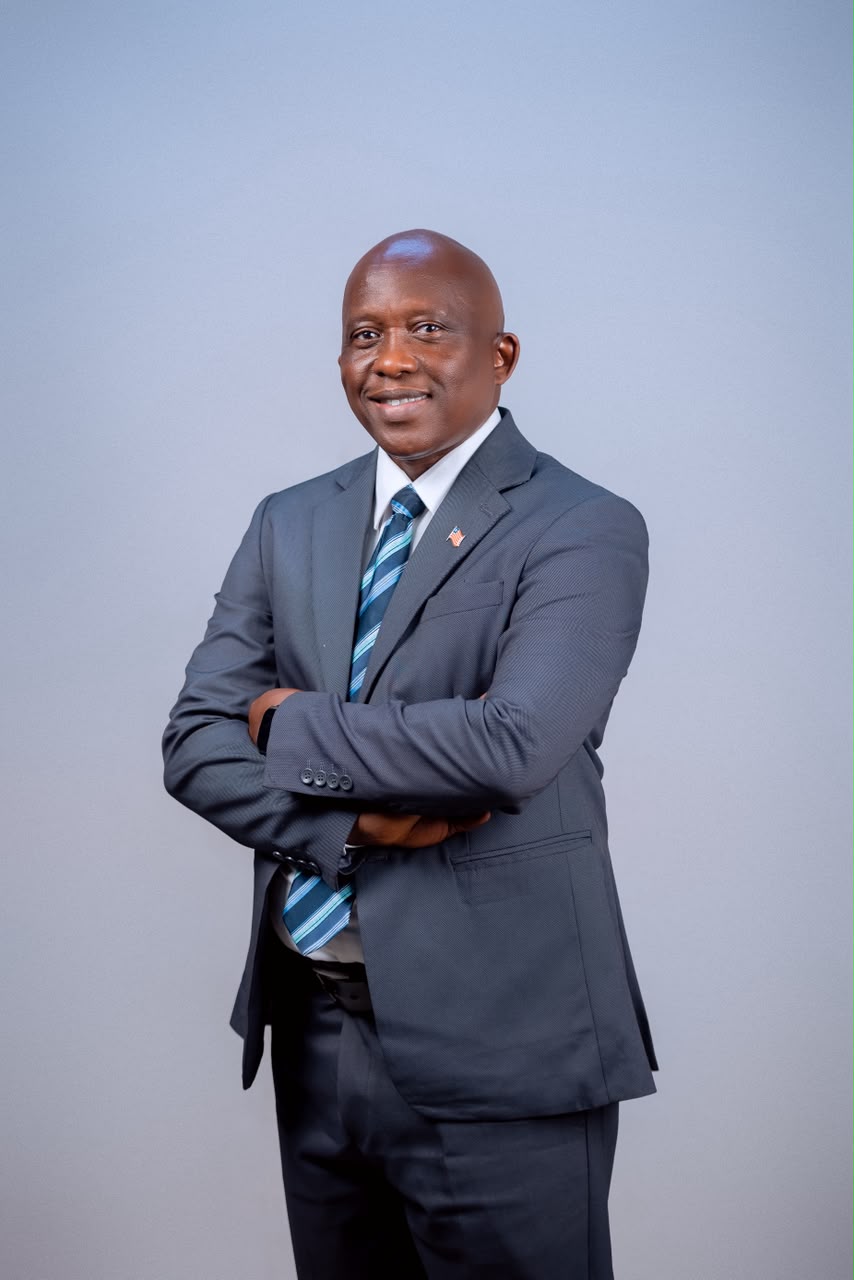
War and Economic Crimes Court for Liberia (OWECC-L), Mr. John Weah, has
called on religious institutions, particularly the Liberia Council of Churches
(LCC), to play a stronger role in promoting transitional justice,
reconciliation, civic education, and accountable governance in Liberia.
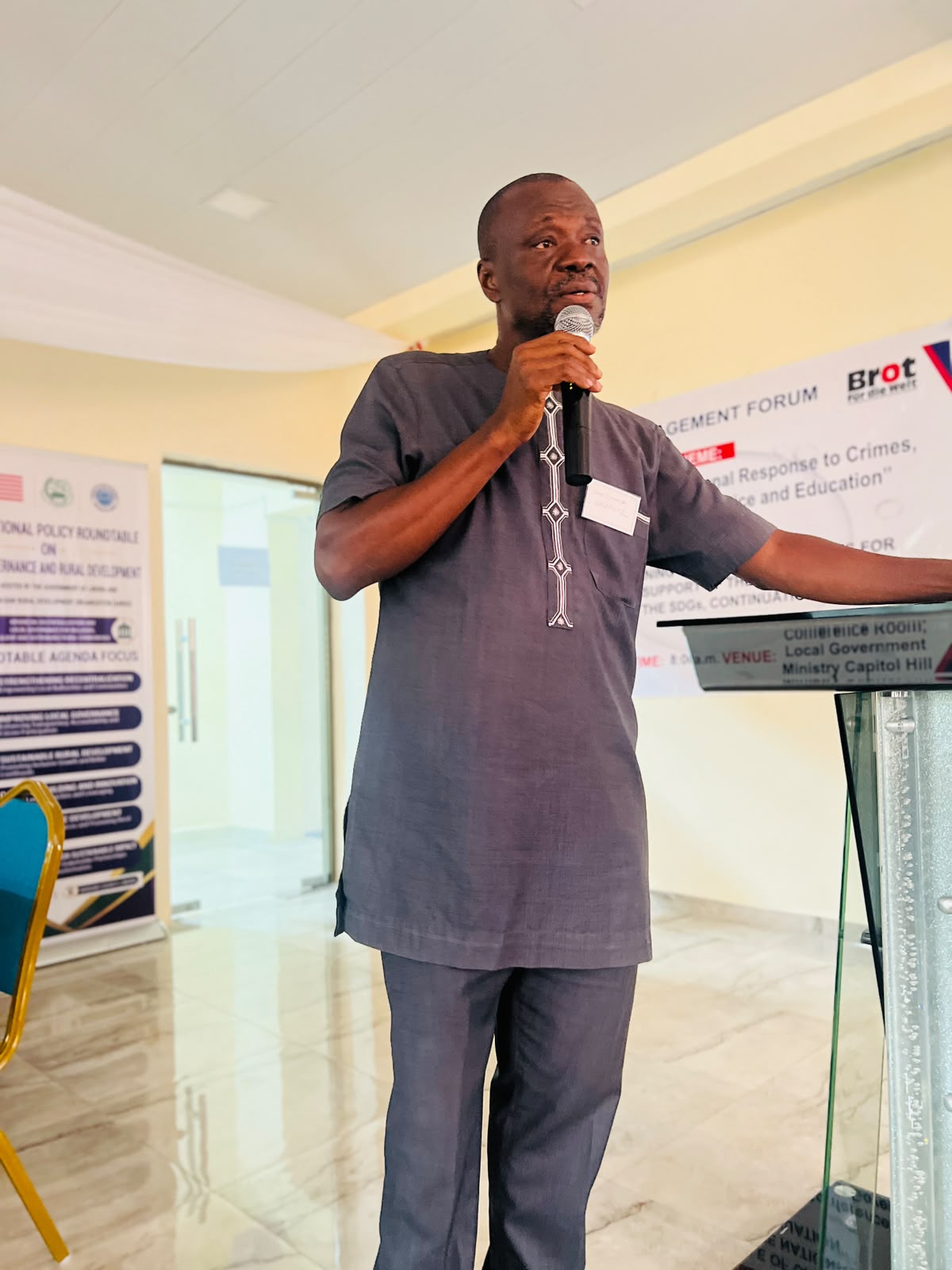
Mr. Weah made the call while delivering a
presentation on behalf of the Executive Director of OWECC-L, Dr. Cllr.
Jallah A. Barbu, at the opening of a two-day Civic Engagement Forum
organized by the LCC.
The forum, held under the theme “Civic
Responsibility: A National Response to Crimes, Illicit Drugs, Climate Justice
and Education,” brings together religious leaders, civil society actors,
and government representatives to discuss national challenges and civic
responsibility.
In a presentation titled “Rebuilding
After War: The Role of OWECC-L,” Mr. Weah said Liberia’s reconstruction
must go beyond rebuilding roads, schools, and other infrastructure to include
restoring trust, justice, accountability, reconciliation, and social cohesion.
“A country is not fully rebuilt when its
buildings are restored; it is rebuilt when its people regain confidence in one
another and in the institutions of the State.”
Mr. Weah identified civic education,
community dialogue, victim support, youth engagement, and ethical leadership
as key areas where churches and other religious institutions can contribute to
Liberia’s post-war recovery and reconciliation efforts.
He stressed that justice and reconciliation
should complement rather than compete with each other, emphasizing that “Justice
is not revenge; reconciliation is not forgetting.”
The OWECC-L Special Consultant also
emphasized that victims and survivors must remain at the center of Liberia’s
transitional justice process, particularly in discussions surrounding
accountability, reconciliation, and reparations.
Mr. Weah further urged the Church and other
stakeholders not to wait for the proposed courts to become operational before
beginning civic education, community dialogue, and victim-support initiatives.
He said religious institutions, given their
presence and influence within communities across Liberia, are well positioned
to help promote peaceful dialogue, strengthen public understanding of
transitional justice, and encourage citizens to participate responsibly in
national affairs.
The Office for the Establishment of the War
and Economic Crimes Court for Liberia said Liberia’s long-term peace and
stability require the collective responsibility of government institutions,
civil society, victims, religious organizations, and citizens to strengthen
accountability, reconciliation, and responsible governance.