MONROVIA, Liberia — Staff of the Office for the Establishment of the War and Economic
Crimes Court for Liberia (OWECC-L) participated in a study visit to The Gambia
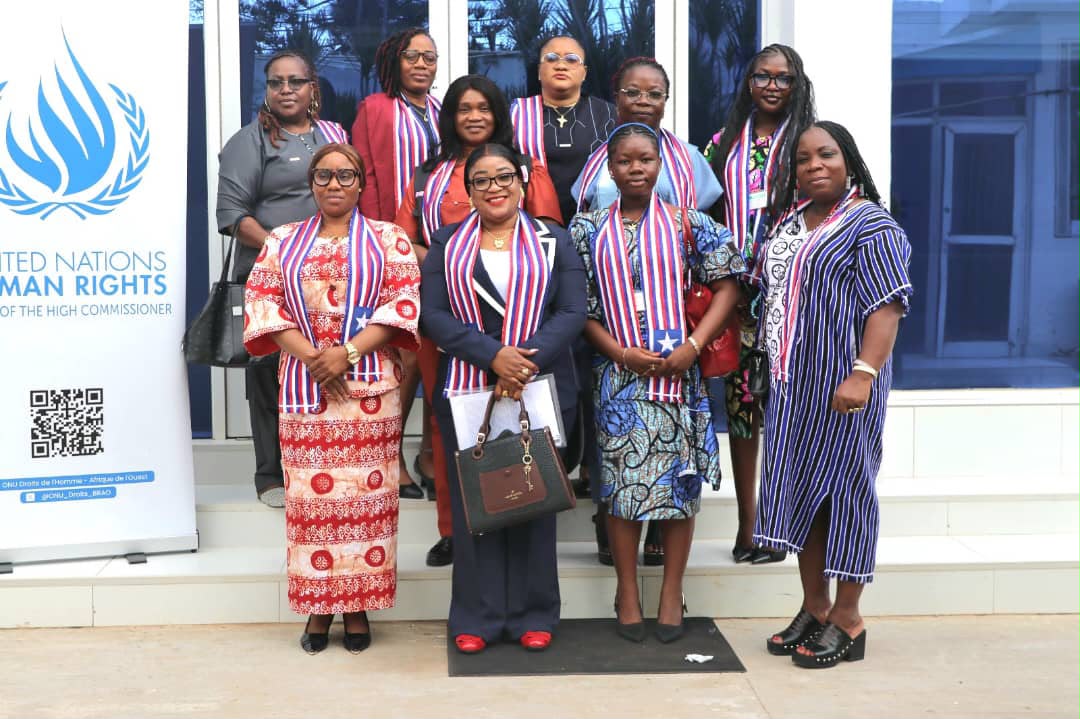
alongside a delegation of Liberian women’s rights organizations, civil society
actors, and national institutions to exchange experiences and lessons on
transitional justice.
The study visit, sponsored by the Office of
the United Nations High Commissioner for Human Rights (OHCHR), brought together
key Liberian stakeholders working in the transitional justice sector to engage
with Gambian counterparts and learn from The Gambia’s experiences in addressing
accountability, reparations, institutional coordination, memorialization,
survivors’ concerns, and gender-responsive approaches.
The visit provided an opportunity for the
Liberian delegation to identify practical lessons and experiences that could
inform Liberia’s ongoing transitional justice process, particularly efforts
aimed at promoting accountability, justice, healing, and reconciliation.
As part of the visit, the Liberian
delegation engaged with and visited several key institutions and sites in The
Gambia, including the Memory House, the National Human Rights Commission, the
Office of the Special Prosecutor, and the United Nations House in The Gambia.
Representing OWECC-L on the study visit
were Mrs. Christian Sompon of the Department of Gender and Youth and Miss
Charlelyn Mulbah, a staff member of the Office.
The OWECC-L representatives participated
alongside the leadership of the Women NGOs Secretariat of Liberia (WONGOSOL),
the Vice President of the Association of Female Lawyers of Liberia, and
other stakeholders involved in Liberia’s transitional justice sector.
The exchange provided an opportunity for
the Liberian participants to examine how The Gambia had approached transitional
justice-related issues and to reflect on experiences that could be relevant to
Liberia’s own efforts to address the legacies of conflict and strengthen
justice and accountability mechanisms.
The visit also highlighted the importance
of women’s participation and gender-responsive approaches in transitional
justice processes, particularly in ensuring that the experiences and concerns
of women and survivors were reflected in national justice, reparations,
memorialization, and reconciliation initiatives.
The delegation returned with lessons and
recommendations that could contribute to ongoing discussions, policy
development, and advocacy surrounding transitional justice in Liberia.