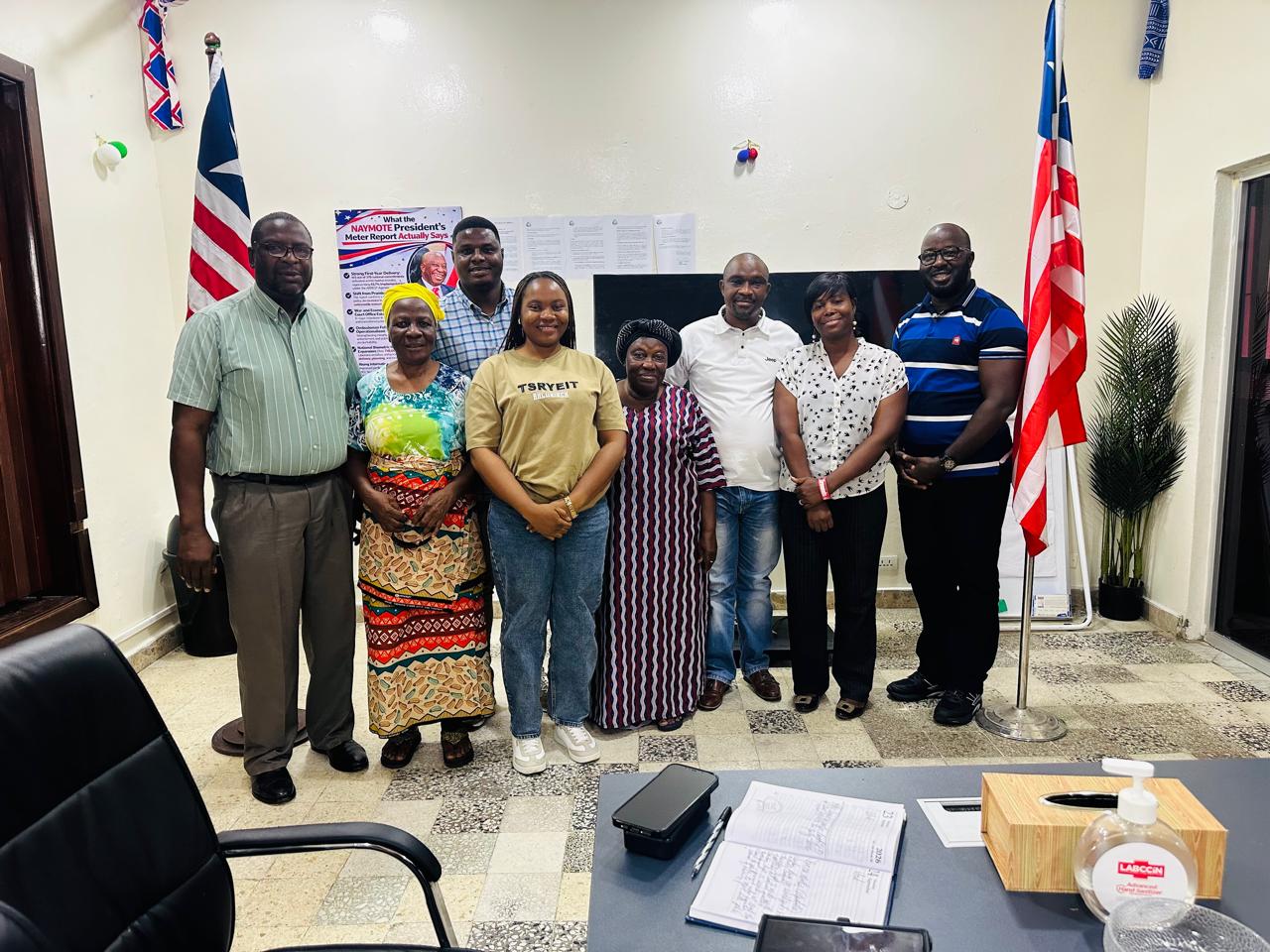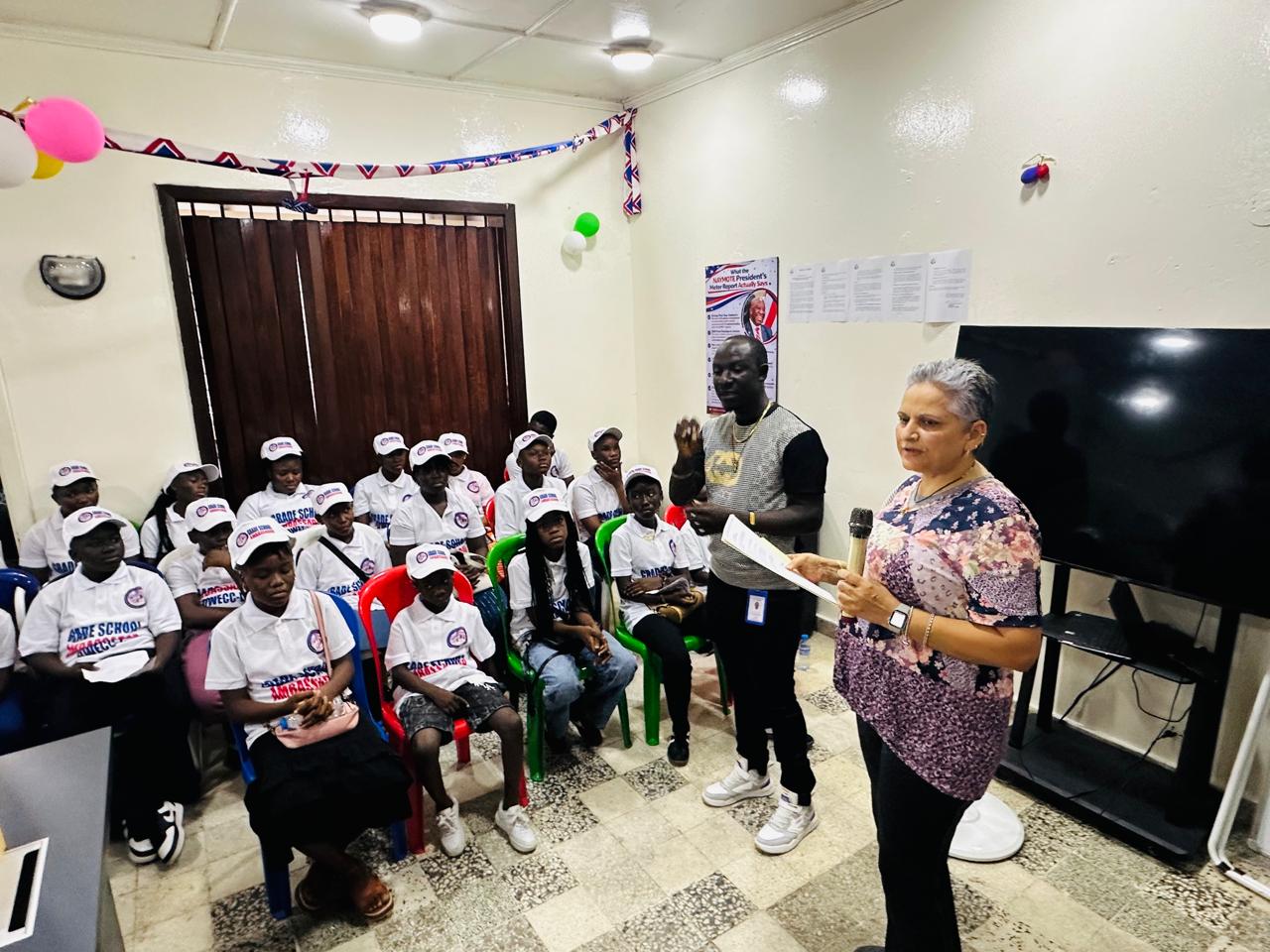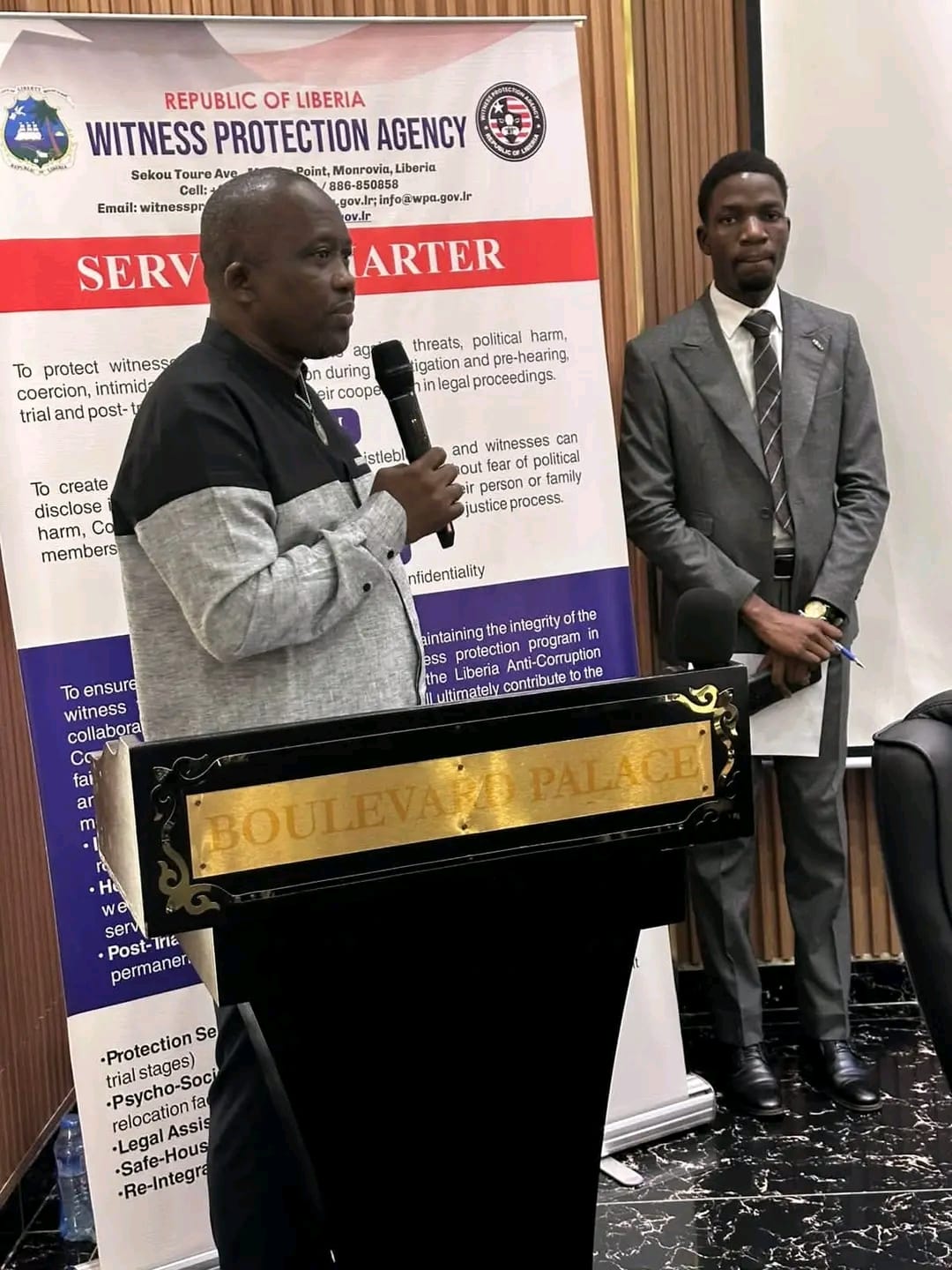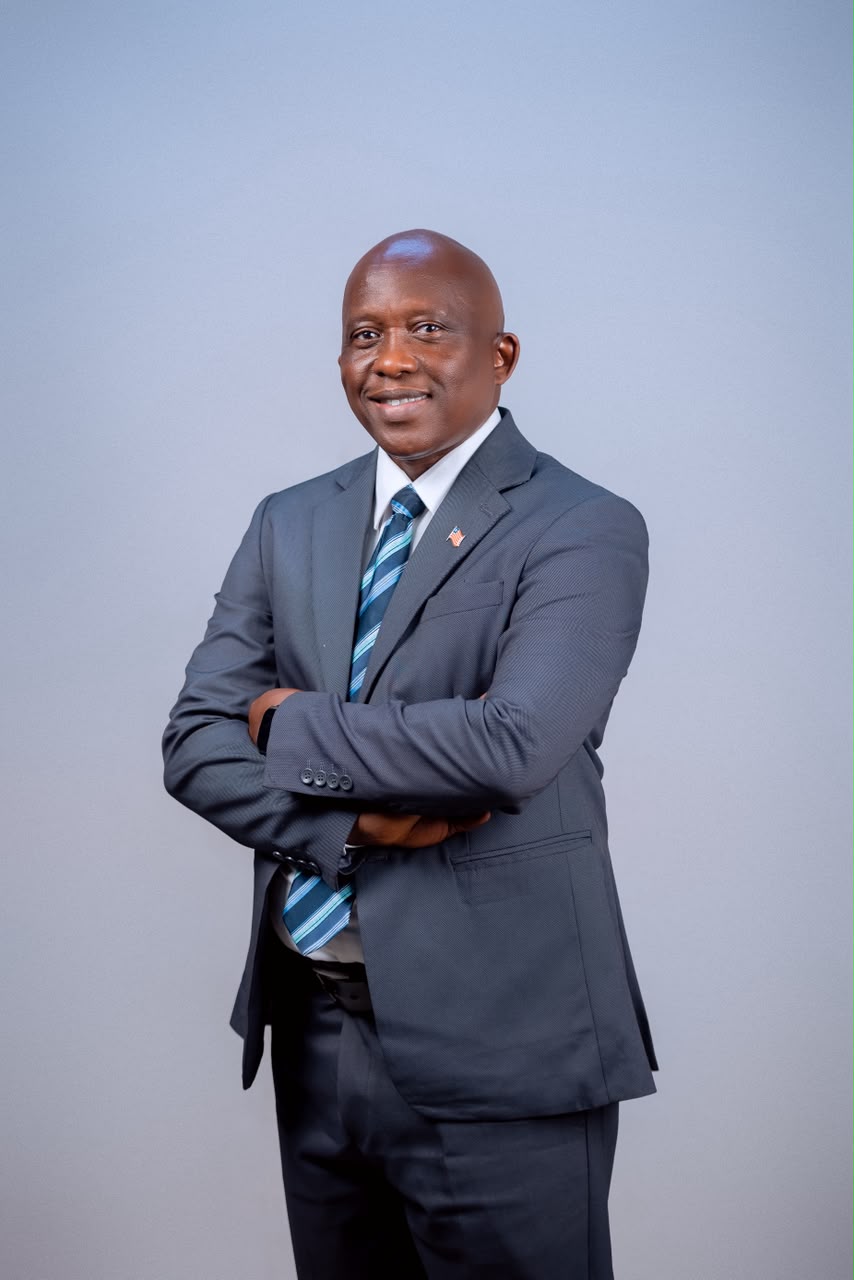
Kigali, Rwanda—The Executive
Director of the Office for the Establishment of War and Economic Crimes Court
for Liberia (OWECC-L), Dr. Cllr. Jallah A. Barbu (Prof.), is leading a
high-level Liberian delegation in Kigali, Rwanda, as part of a continuing study
visit aimed at gaining practical insights into Rwanda’s experience in
transitional justice and identifying strategies that could inform Liberia’s
ongoing transitional justice process.
The delegation’s visit to Rwanda
forms part of OWECC-L’s broader efforts to deepen its understanding of
transitional justice mechanisms, particularly approaches that promote
accountability, reconciliation, healing, national unity, and sustainable peace
following periods of violent conflict.
During the visit, the delegation
is engaging with relevant Rwandan institutions, transitional justice
practitioners, victims and survivor groups, civil society actors, and other
stakeholders to learn from Rwanda’s experience and examine lessons that may be
relevant to the Liberian context.
The study visit is also intended
to provide an opportunity for the Liberian delegation to examine how Rwanda has
addressed issues of accountability, victim participation, reconciliation,
remembrance, community engagement, and national healing in the aftermath of the
1994 Genocide against the Tutsi.
Dr. Barbu said the visit is not
about copying Rwanda’s transitional justice model but about learning from its
experience and determining which approaches, where appropriate, could be
adapted to Liberia’s unique historical, social, and legal circumstances.
“Liberia has its own history and
circumstances, and therefore our approach to transitional justice must reflect
the Liberian reality. However, there is much to learn from countries that have
traveled this difficult road before us,” Dr. Barbu noted.
He added that the study visit
demonstrates OWECC-L’s commitment to pursuing a transitional justice process
that is informed by international experience while remaining responsive to the
aspirations and concerns of the Liberian people.
A significant component of the
study visit is the participation of the Press Union of Liberia (PUL), with its
President Julius Kanubah forming part of the high-level delegation.
The participation of the PUL
underscores the important role of the media in transitional justice,
particularly in promoting public awareness, documenting historical experiences,
facilitating informed national dialogue, and ensuring that citizens are adequately
informed about the transitional justice process.
The collaboration also reflects
OWECC-L’s recognition that the successful implementation of transitional
justice requires the involvement of multiple sectors of society, including the
media, civil society, traditional leaders, victims and survivors, policymakers,
and other national stakeholders.
The PUL President’s participation
is expected to contribute to discussions on responsible media coverage of
transitional justice issues, preservation of historical narratives, public
education, and the media’s role in promoting reconciliation and national
healing.
LEARNING FOR LIBERIA
The OWECC-L delegation is
expected to return to Liberia with lessons and recommendations that could
contribute to ongoing efforts to establish effective mechanisms for addressing
Liberia’s legacy of war and economic crimes.
The Office continues to work
toward the establishment of the War and Economic Crimes Court for Liberia
(WECC) and the National Anti-Corruption Court (NACC) as part of broader
national efforts to strengthen accountability, the rule of law and public confidence
in Liberia’s justice system.
The Rwanda study visit is
therefore viewed as an important opportunity for stakeholders to broaden their
understanding of transitional justice and explore additional strategies for
ensuring that Liberia’s process addresses the needs of victims and survivors
while contributing to reconciliation, peace, and national healing.
OWECC-L reiterates that Liberia’s
transitional justice process must ultimately be Liberian-owned, inclusive,
credible, and responsive to the experiences and aspirations of the Liberian
people.
The Office will continue to
engage national and international partners as it advances its mandate and
supports ongoing efforts toward justice, accountability, reconciliation, and
lasting peace in Liberia.
Issued by:
Office for the Establishment of
War and Economic Crimes Court for Liberia (OWECC-L)
Kigali, Rwanda