 The Executive
Director of the Office for the Establishment of the War and Economic Crimes
Court for Liberia (OWECC-L), Dr. Cllr. Jallah Barbu, has commended the People
Uniting for Peace in Liberia (PUFPIL) and the Liberia Muslim Women for Peace (LIMWOP)
for their continued commitment to promoting peace, national unity, and
stability in Liberia.
The Executive
Director of the Office for the Establishment of the War and Economic Crimes
Court for Liberia (OWECC-L), Dr. Cllr. Jallah Barbu, has commended the People
Uniting for Peace in Liberia (PUFPIL) and the Liberia Muslim Women for Peace (LIMWOP)
for their continued commitment to promoting peace, national unity, and
stability in Liberia.
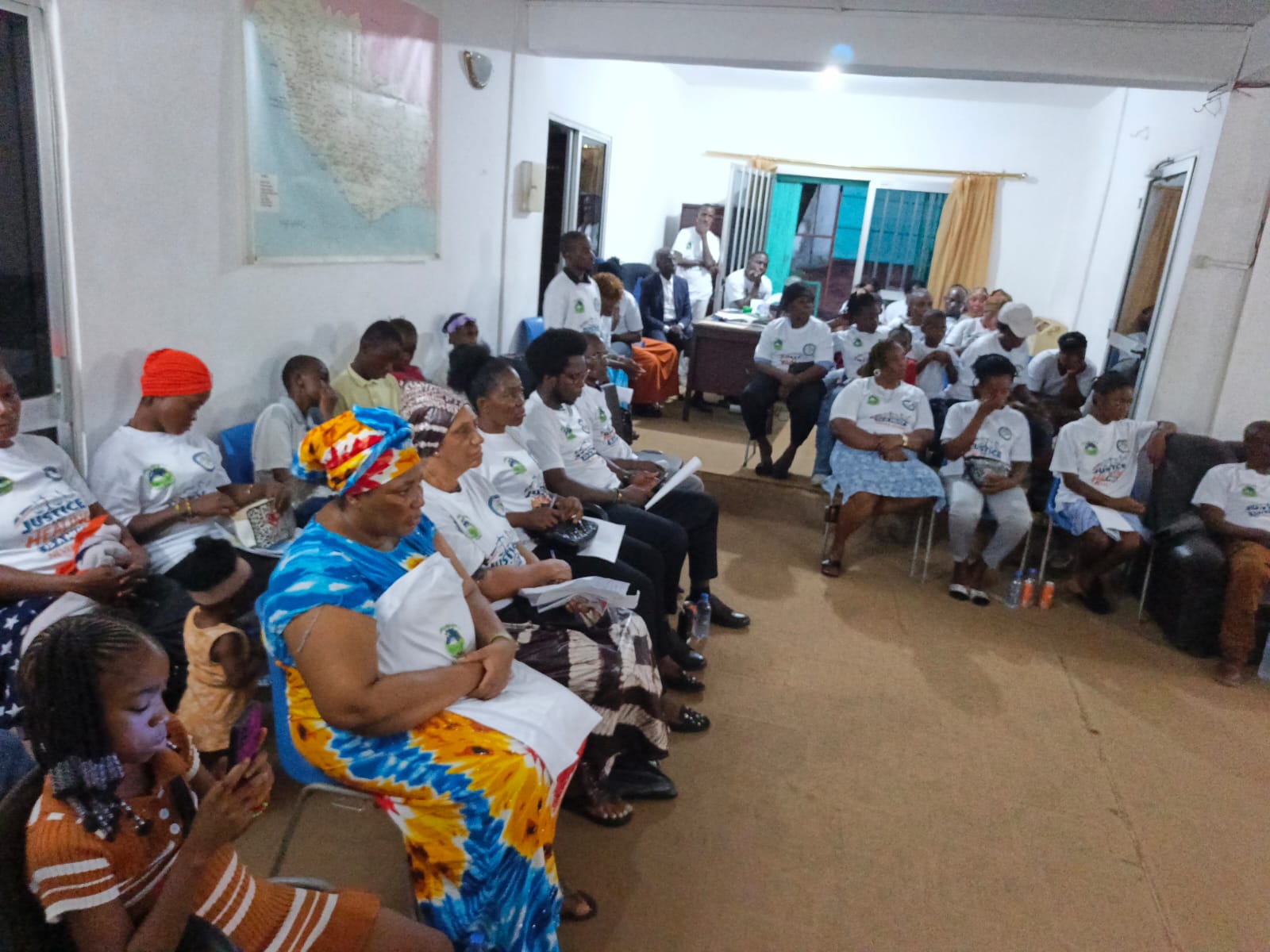
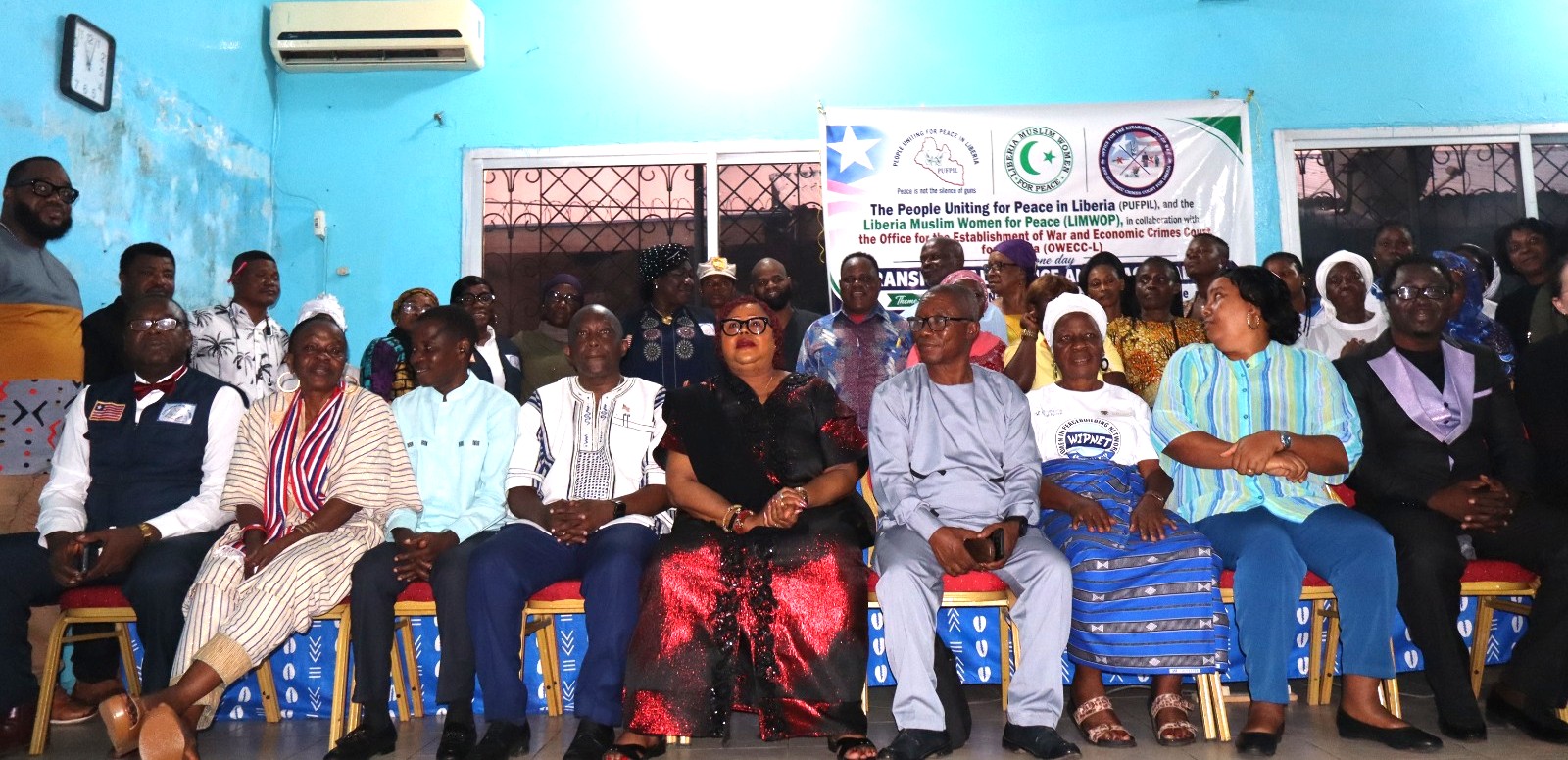
Dr. Cllr. Barbu made the remarks at a one-day dialogue organized by PUFPIL and LIMWOP under the theme, “Fostering National Unity Through Inclusive Dialogue.” The event was held with support from OWECC-L.
In his remarks, he outlined the important and complementary roles being played by government institutions, civil society organizations, community-based groups, development partners, women and youth organizations, and other stakeholders in Liberia’s transitional justice process.
 He emphasized that
the successful implementation of transitional justice requires broad national
ownership, constructive engagement, public awareness, and sustained
collaboration among all sectors of society.
He emphasized that
the successful implementation of transitional justice requires broad national
ownership, constructive engagement, public awareness, and sustained
collaboration among all sectors of society.
Dr. Barbu further highlighted the mandates of OWECC-L and the importance of ensuring that the process of establishing the War and Economic Crimes Court and the Anti- Corruption Court is guided by principles of accountability, justice, fairness, inclusivity, and respect for the rights of victims and all persons affected by Liberia’s civil conflicts.
He renewed OWECC-L committed to working closely with relevant institutions and stakeholders to support the establishment of credible transitional justice mechanisms that can contribute to national healing, reconciliation, and lasting peace.
Speaking earlier, PUFPIL’s Acting Chief Executive Officer Rev. Adolphus Capehart, reaffirmed the organization’s commitment to advancing peace, justice, reconciliation, and national unity.
Rev. Capehart
reflected on Liberia’s 14-year civil crisis and its devastating human cost,
stressing the importance of transitional justice in addressing impunity,
promoting accountability, recognizing victims, and helping communities heal
from the effects of the country’s violent past.
He called on the National Legislature to urgently consider and the passage the two bills required to establish the War and Economic Crimes Court of Liberia and the National Accountability and Reconciliation Commission, describing the proposed mechanisms as important steps toward addressing legacies of the Liberia’s civil conflicts.
The program was also
attended by representatives of the Liberia Massacre Survivors Association, the
Liberia Muslim Council, the Liberia Council of Churches, and the United Nations
High Commissioner for Human Rights (OHCHR), among stakeholders.