 Liberian journalists have raised concerns over what they describe as the slow pace of legislative action on the proposed War and Economic Crimes Court and National Anti-Corruption Court, questioning when the two historic judicial institutions will become fully operational.
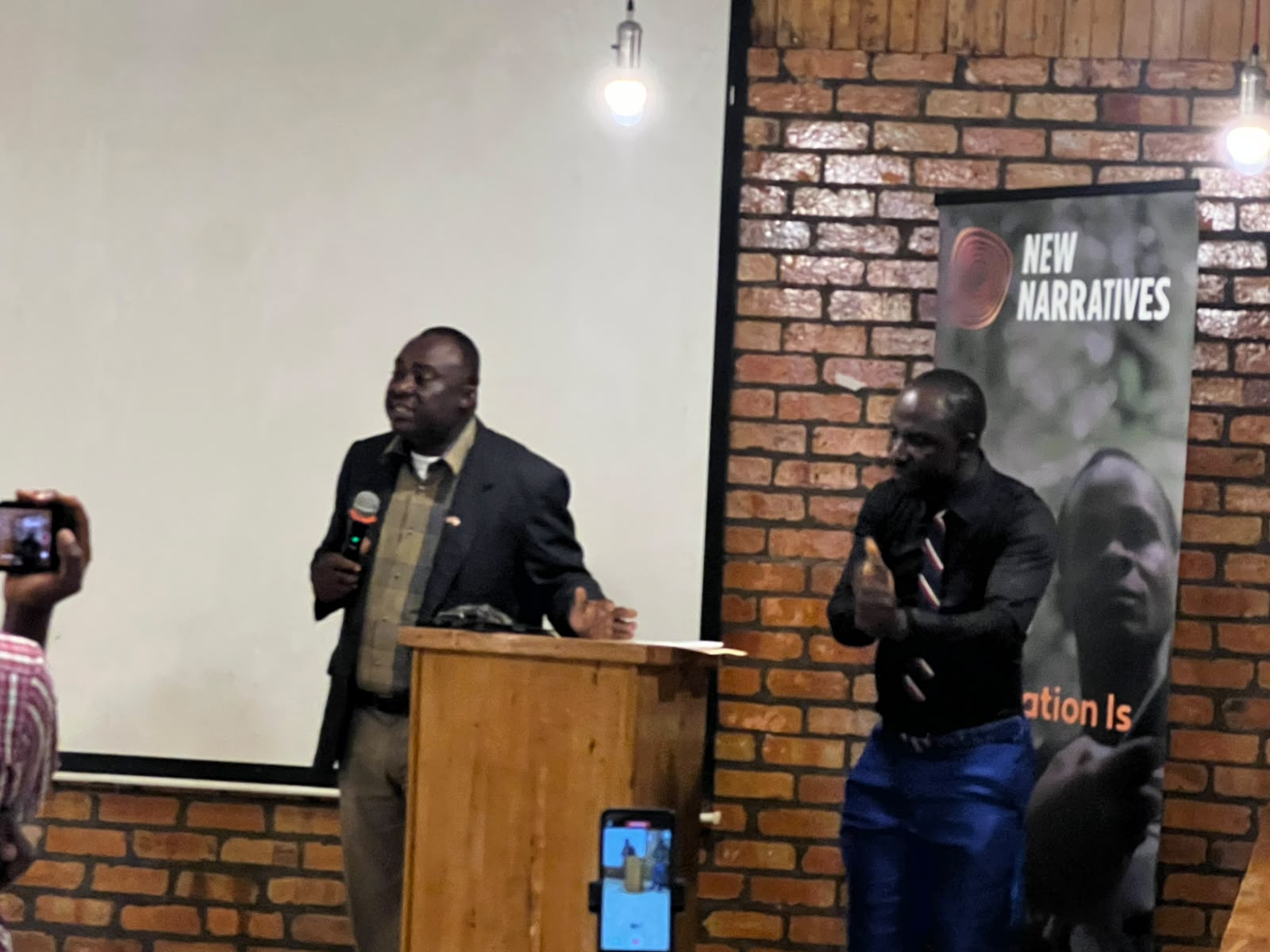
The concerns were raised at the opening of a two-day media training organized by New Narratives to enhance journalists’ understanding of Liberia’s proposed War and Economic Crimes Court and the National Anti-Corruption Court.
Journalists attending the training questioned why the Legislature has yet to pass the draft legislation establishing the two courts and sought clarity on the timeline for their operationalization.
Speaking on behalf of the Executive Director of the Office for the Establishment of the War and Economic Crimes Court in Liberia (OWECC-L), Dr. Cllr. Jallah A. Barbu, Associate Director for Media and Public Affairs Christopher K. Sellee, Sr., acknowledged the growing public interest in the status of the courts and challenged journalists to keep reminding the legislature through their headlines and commentaries of the need for passage.
In May 2026, President Joseph Nyuma Boakai renewed OWECC-L’s mandate through Executive Order No. 164, while the Office completed two draft bills—one establishing the War and Economic Crimes Court and another establishing the National Anti-Corruption Court.
Sellee said the immediate responsibility now rests with the Legislature to act on the proposed legislation, while OWECC-L continues preparations for the institutional framework required to make the courts credible and functional once the laws are enacted.
Sellee explained that although the two proposed courts are complementary, they will have different mandates.
The War and Economic Crimes Court is expected to address serious crimes associated with Liberia’s conflicts, including war crimes, crimes against humanity, and other grave violations falling within its legal jurisdiction.
The proposed National Anti-Corruption Court, meanwhile, is intended to provide a specialized judicial forum for corruption and especially cases involving public officials, public resources, and public institutions.
The War and Economic Crimes Court will address unresolved accountability for crimes against humanity and grave crimes of Liberia’s past.
Sellee said the Office has developed a national roadmap covering the major steps required to move from legislation to fully operational institutions.
The roadmap includes legislative action, institutional development, national consultations, financing, recruitment and training, investigative and prosecutorial arrangements, judicial administration, witness and victim protection, evidence management, infrastructure, and public engagement.
A credible judicial institution, he said, requires qualified judges, prosecutors, investigators, and administrators, as well as adequate funding, proper procedures, secure evidence-management systems, and safeguards for victims and accused persons.
Sellee also cautioned against relying on previously projected timelines for the courts' operationalization, noting that such timelines depends on legislative action.
One of the issues discussed during the training was why the National Anti-Corruption Court could potentially become operational before the War and Economic Crimes Court.
That process could involve extensive historical investigations, preservation and reconstruction of evidence, identification and protection of witnesses and survivors, international cooperation, specialized prosecution, and procedures designed to meet high standards of due process.
Sellee therefore described the possible sequencing of the two courts as a matter of “institutional readiness, not preference.”