The
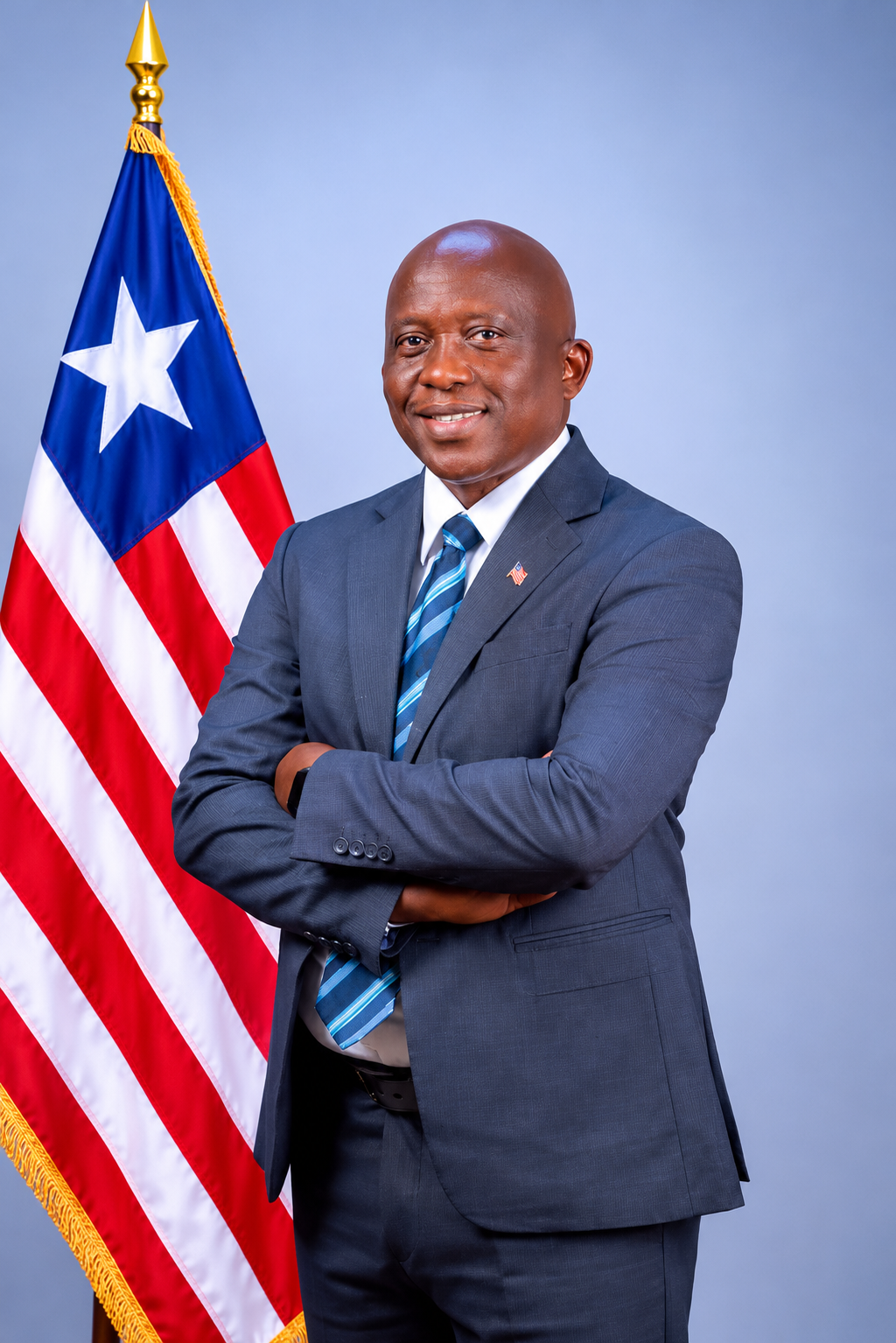
Executive Director of the Office for the Establishment of War and Economic
Crimes Court for Liberia (OWECC-L), Dr. Cllr. Jallah A. Barbu has made two
separate appeals to Liberia's religious community to intensify advocacy for the
speedy passage of the proposed War and Economic Crimes Court (WECC) and
National Anti-Corruption Court (NACC) bills currently before the National
Legislature.
Dr.
Barbu made the appeals during two separate religious engagements within the
past week, using the occasions to underscore the important role of faith-based
institutions in Liberia's pursuit of justice, accountability, reconciliation,
and national healing.
His
first appeal came during the 100th anniversary celebration of the Seventh-day
Adventist Church in Liberia, where he urged the church to use its moral
authority and nationwide presence to support efforts aimed at addressing
impunity and corruption.
A
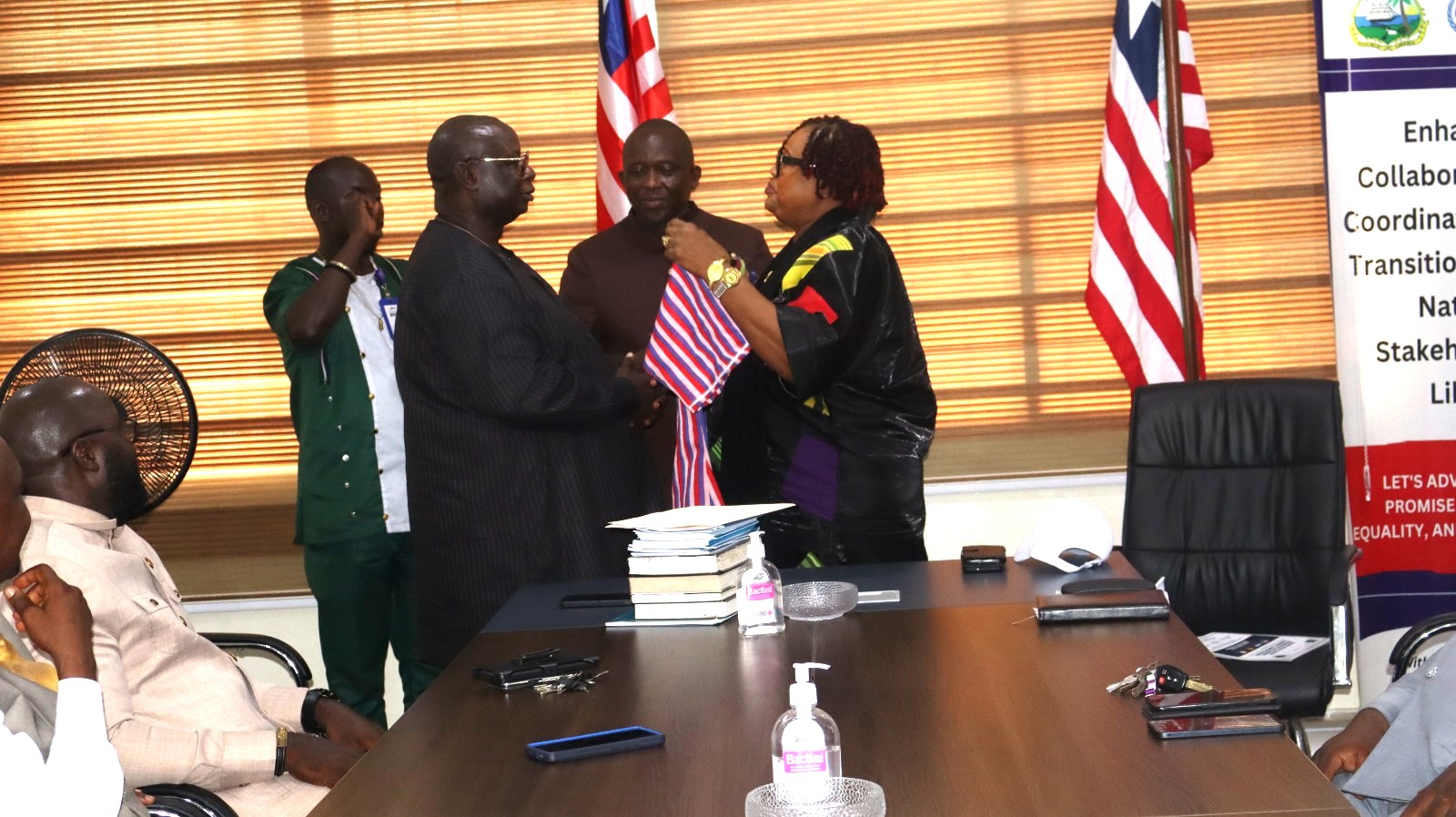
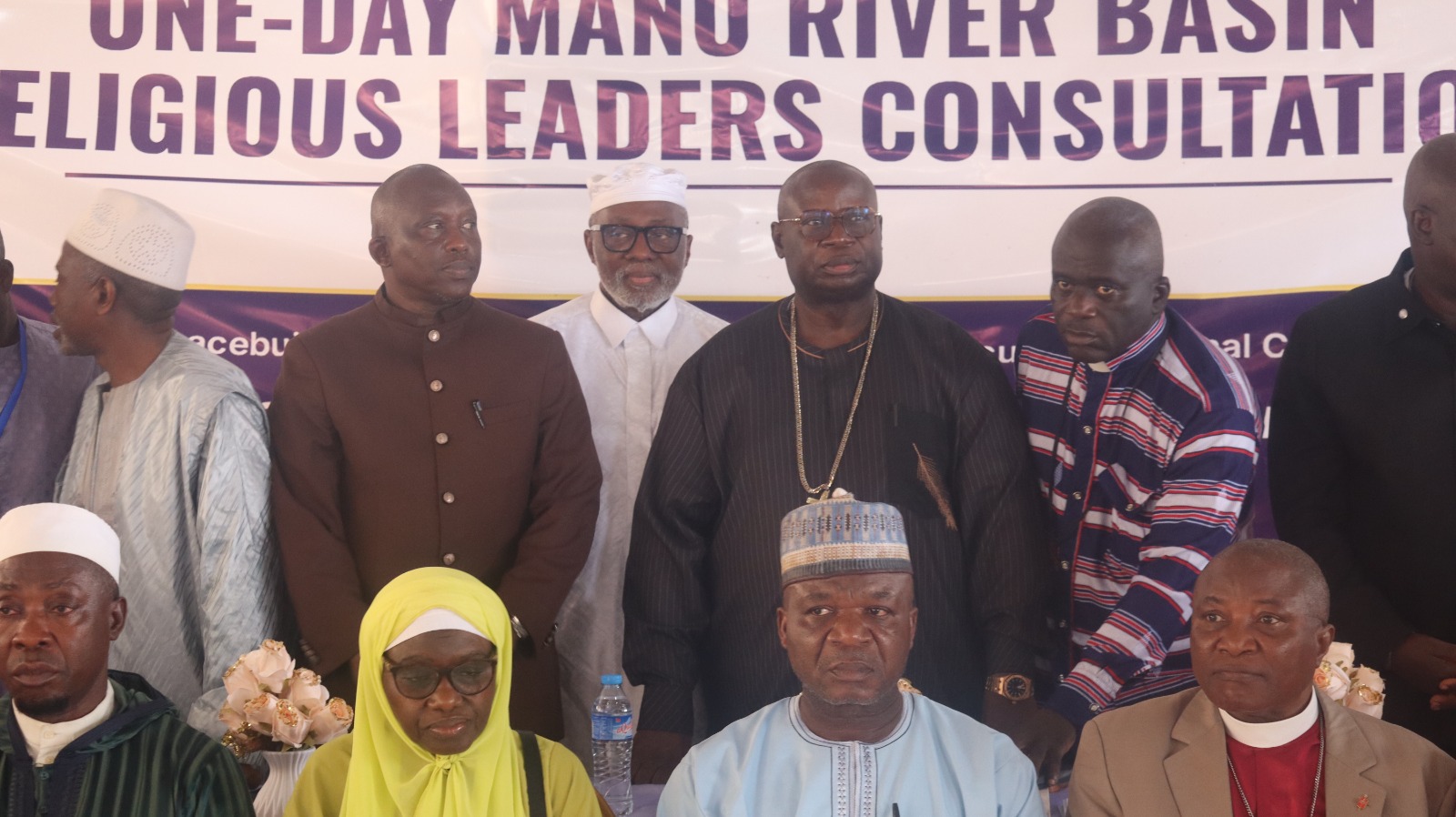
second and more direct appeal was made on Monday, November 23, when Dr. Barbu
served as guest speaker at a day-long Mano River Basin Interfaith Consultation
involving religious leaders from Liberia and the wider Mano River Union region.
While
the two occasions differed in nature, Dr. Barbu's message remained consistent:
religious leaders must become stronger advocates for justice and accountability
and encourage lawmakers to act on the two bills that are currently before the
55th Legislature.
Speaking
during the Seventh-day Adventist Church's 100th anniversary celebration on
Saturday, November 21, 2026, Dr. Barbu congratulated the church on reaching a
century of service and recognized its contribution to Liberia's religious,
social, and community life.
In
his remarks, he connected the church's long history of service to the broader
responsibility of religious institutions to contribute to peace, justice,
integrity, and national development.
He
urged the church and other religious institutions not to limit their role to
spiritual guidance but to also speak on issues that directly affect the welfare
and future of Liberians.
Among
those issues, he identified justice and accountability as critical to Liberia's
continued peace and development.
Dr.
Barbu called on the Seventh-day Adventist Church to lend its voice to the
ongoing national discussion surrounding the proposed War and Economic Crimes
Court and National Anti-Corruption Court.
He
stressed the importance of the speedy passage of the bills currently before the
Legislature, noting that the establishment of the two courts requires
legislative action.
According
to Dr. Barbu, the church's extensive network and influence across Liberia place
it in a strong position to educate citizens about the importance of
accountability and encourage public support for the legislative process.
In a
Second appeal, Dr. Barbu renewed his call on Monday, November 23, 2026, when he
served as guest speaker at the Mano River Basin Interfaith Consultation in
Monrovia.
The
day-long gathering brought together religious leaders to reflect on peace,
justice, accountability, and other issues affecting the Mano River Basin,
including Sierra Leone, Guinea, Ivory Coast, and host Liberia.
Addressing
the consultation, Dr. Barbu described the gathering as an important opportunity
for religious leaders to use their collective moral authority to confront
impunity and promote justice and national healing.
According
to Dr. Barbu, the role played by religious leaders during the conflicts
demonstrates their capacity to influence society beyond the walls of churches,
mosques, and other places of worship.
He
therefore challenged them to bring that same leadership to the current struggle
for justice and accountability.
He
stressed that reconciliation and justice should work together and warned that
silence in the face of injustice does not promote sustainable peace.
The
OWECC-L Executive Director lamented that many alleged perpetrators of
atrocities committed during Liberia's civil wars have largely escaped
accountability, while victims and survivors continue to carry the scars of the
conflicts.
He
said many victims continue to face poverty, psychological trauma, physical
injuries, and the loss of family members and livelihoods.
Dr.
Barbu argued that Liberia's efforts toward national healing must therefore
include credible mechanisms for addressing serious violations committed during
the country's conflicts.
He
emphasized that accountability should not be interpreted as revenge but as
part of a broader process of restoring public confidence, recognizing victims,
strengthening the rule of law, and preventing the recurrence of violence.
He
said religious leaders have a particularly important role to play because of
their close connection to communities and their ability to influence public
attitudes and national conversations.
Dr.
Barbu also drew attention to the impact of economic crimes and corruption on
Liberia's development.
He
said the misuse of public resources has direct consequences for ordinary
citizens, particularly those who depend on government services.
According
to him, resources lost through corruption could otherwise be used to improve
healthcare, education, roads, infrastructure, employment, and other essential
services.
Bills
Remain Before the Legislature
During
both engagements, Dr. Barbu emphasized that the proposed WECC and NACC have not
yet been legally established.
He
clarified that the two bills remain before the 55th Legislature and that
legislative action is still required before the institutions can be formally
established and become operational.
His
clarification comes amid public discussions and claims suggesting that the
courts have already been established.
Dr.
Barbu urged religious leaders and the wider public to rely on accurate
information regarding the status of the proposed institutions.
He
warned that misinformation about the legislative process could create confusion
and undermine public understanding of the accountability process.