Tubmanburg, Bomi
County, Liberia – June 17, 2026 – The Office for the Establishment of War and Economic Crimes Court for Liberia
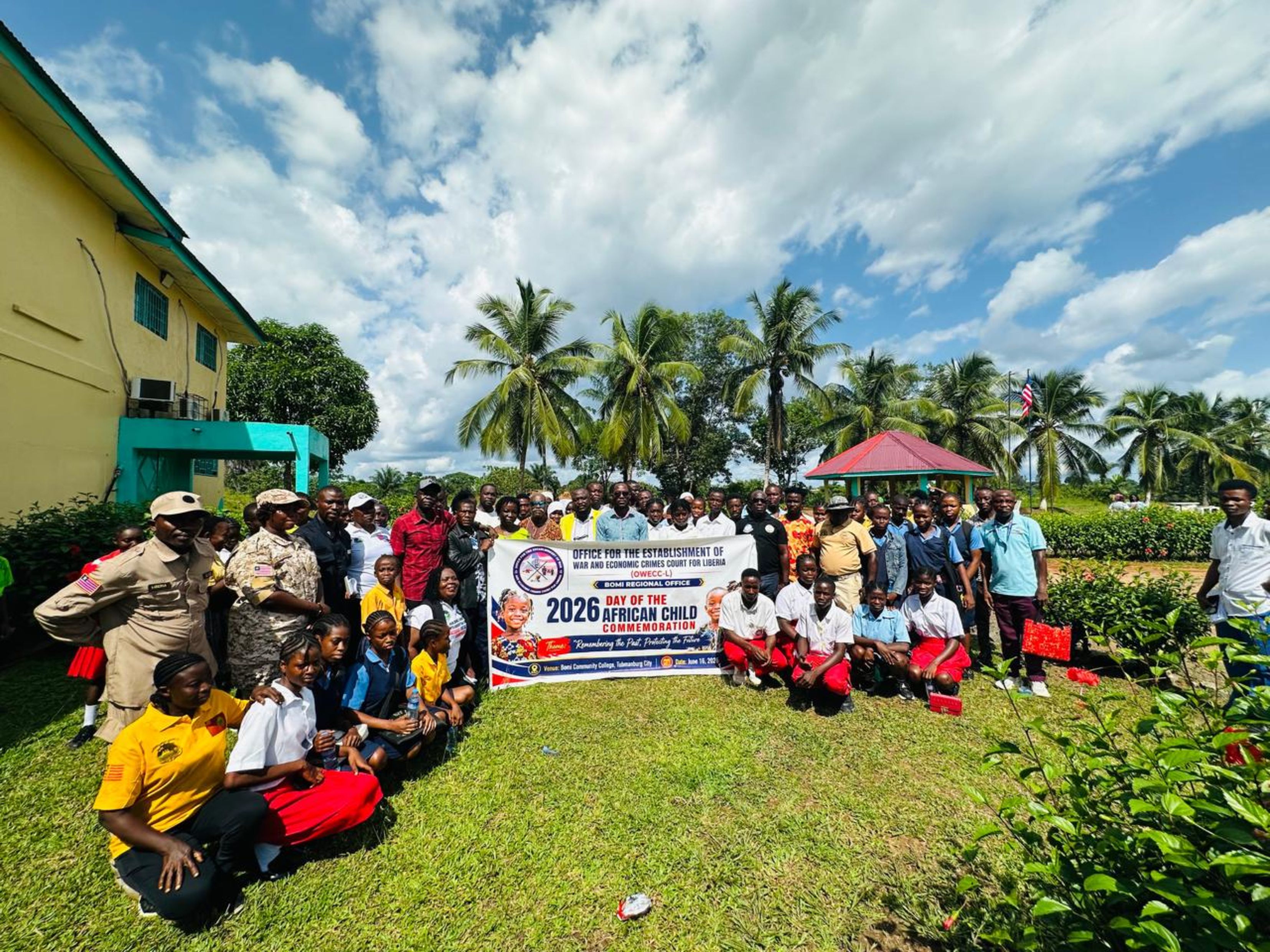
(OWECC-L), through its Bomi Regional Office, on June 16, 2026, commemorated the
Day of the African Child at Bomi Community College in Tubmanburg, Bomi County.
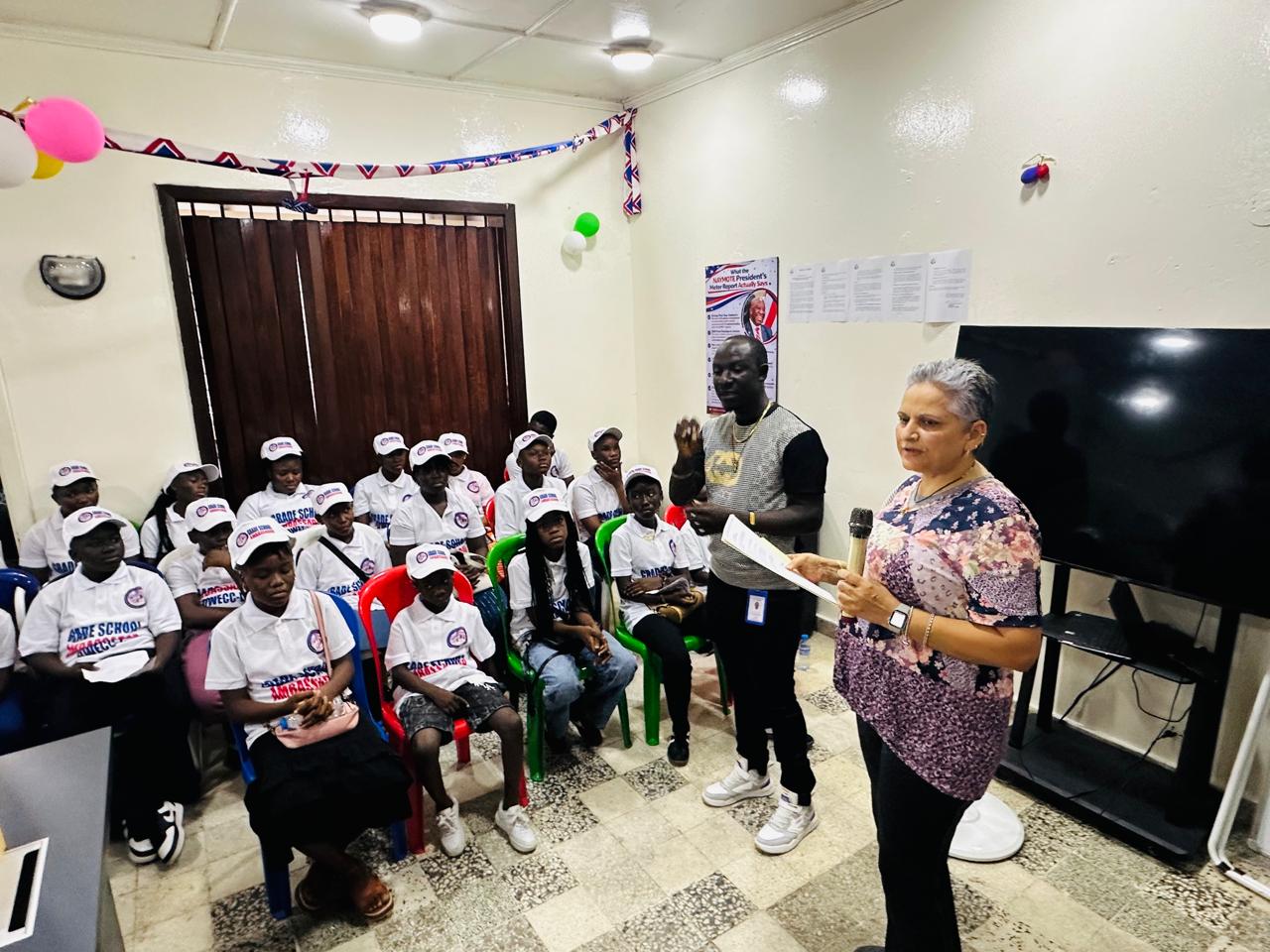
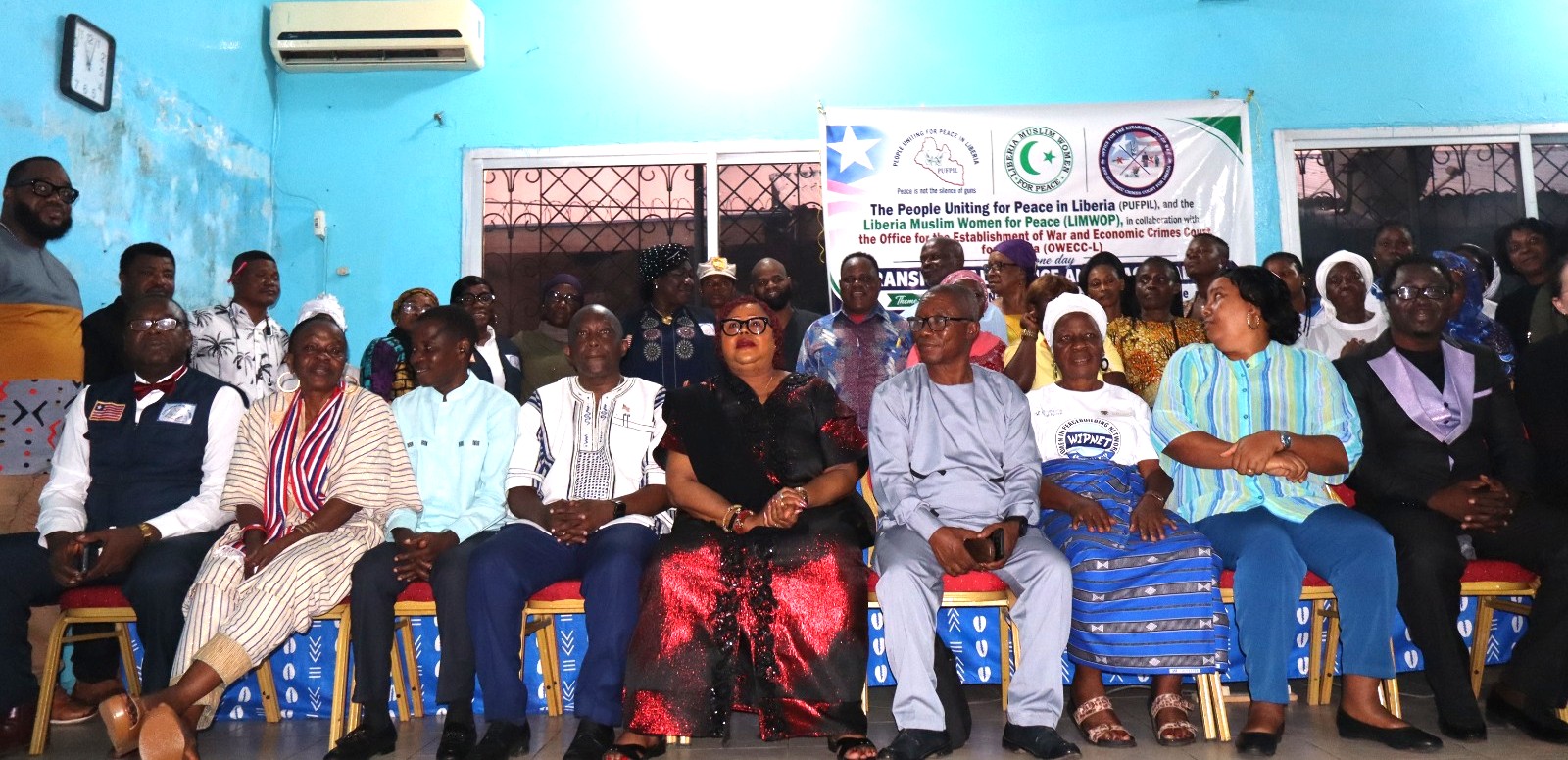
The event brought together 178 participants, including students, educators,
government representatives, and civil society actors from across the county.
Held under the theme "Every Child Deserves to Grow in Peace, Dignity, and Security." Through Remembrance,
Accountability, and National Healing, We Honor the Children Lost to Conflict
and Reaffirm Our Responsibility to Protect Future Generations.” The program
sought to raise awareness about the impact of conflict on children and the
importance of justice and reconciliation in Liberia.
Providing an overview of the
significance of the Day of the African Child, OWECC-L Bomi Regional Office
Officer-In-Charge, Mr. Edmond S. Kamei, emphasized the need to remember the
experiences of children affected by Liberia’s civil wars and to ensure that
future generations are protected from violence and instability.
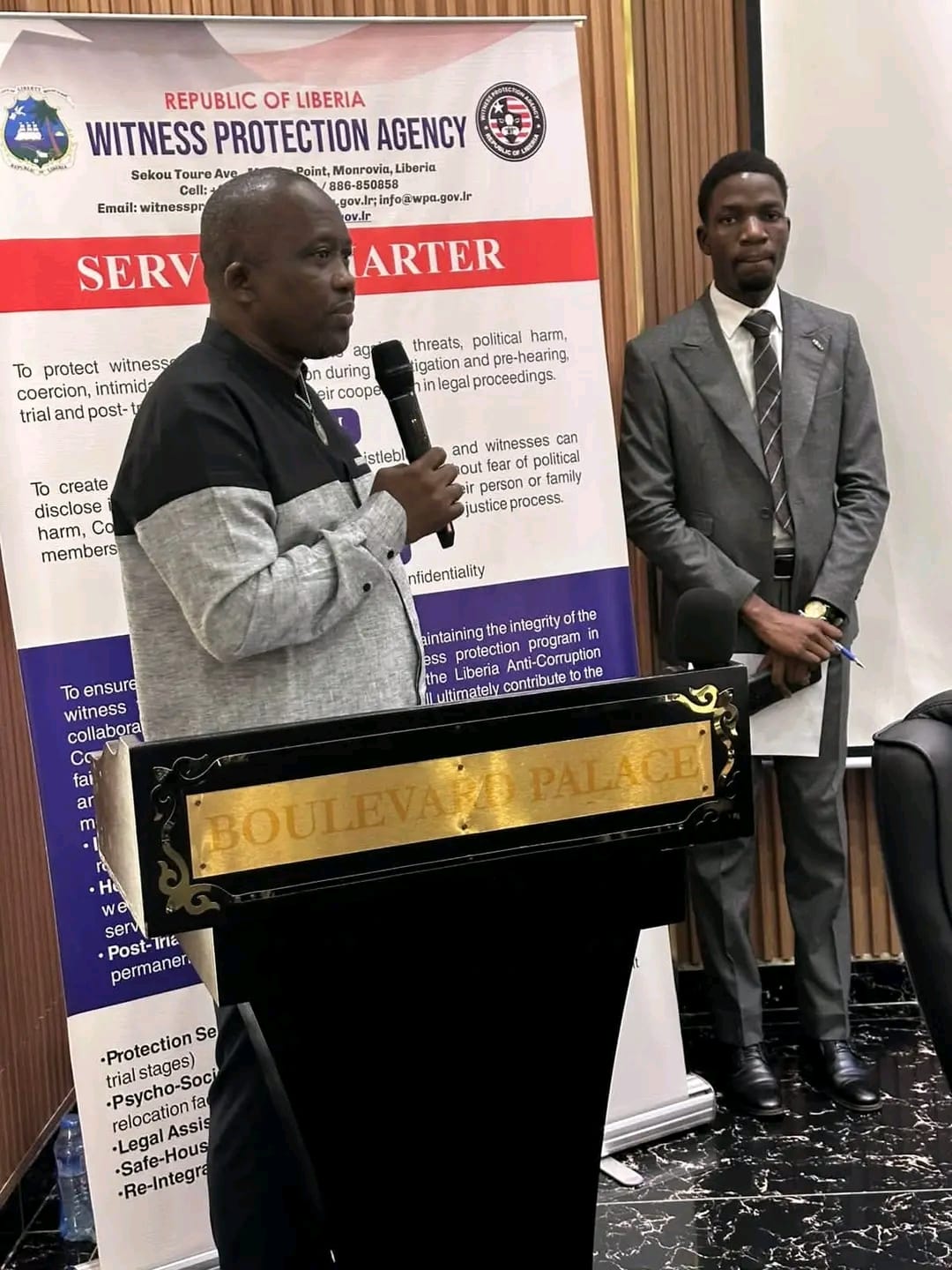
Remarks were also delivered by
representatives of the Liberia National Police, Liberia Immigration Service,
Western Region University Union, and Bomi Community College, all of whom
stressed the importance of protecting children's rights, promoting education,
and sustaining peace in Liberia.
A major highlight of the event
was the keynote address delivered by Mr. John H. T. Stewart on the theme, “Children,
Peace, and Transitional Justice in Liberia.” Mr. Stewart examined the
devastating effects of the civil conflict on children and the education sector while providing insights into the Truth and Reconciliation Commission’s
engagement with children during its statement-taking process. The former TRC
commissioner also addressed questions regarding child soldiers and explained
how the proposed War and Economic Crimes Court would approach such issues,
drawing on international legal standards and experiences from similar
tribunals.
Representing OWECC-L Executive Director Dr. Cllr. Jallah A. Barbu, Associate Director for Gender and Youth,
Atty. Vivian D. Neal delivered special remarks highlighting the critical
role young people play in Liberia’s transitional justice process. She noted
that the executive director would have been pleased to see the large turnout of
students eager to learn about justice, accountability, and reconciliation.
Attorney Neal informed
participants that Liberia’s transitional justice agenda has entered a critical
phase with the submission of draft legislation for the establishment of the War
and Economic Crimes Court and the National Anti-Corruption Court and called on lawmakers to enact the bills in the
interest of justice, accountability, and national healing.
The program concluded with a Commitment to Peace
Pledge led by students, reaffirming their dedication to peaceful coexistence
and Liberia’s “Never Again” agenda. The event underscored the important role of
young people in promoting peace, reconciliation, and national healing.
OWECC-L’s Bomi Regional Office, which oversees activities in Bomi, Grand Cape
Mount, and Gbarpolu Counties, remains committed to engaging communities and
raising awareness about Liberia’s transitional justice process.