The Office for the Establishment of
the War and Economic Crimes Court for Liberia (OWECC-L) has issued a strong
call to the Liberian Legislature to urgently pass amendments to the Witness
Protection and Whistleblower laws, alongside the proposed War and Economic
Crimes Court (WECC) and National Anti-Corruption Commission/Court (NACC)
legislation.
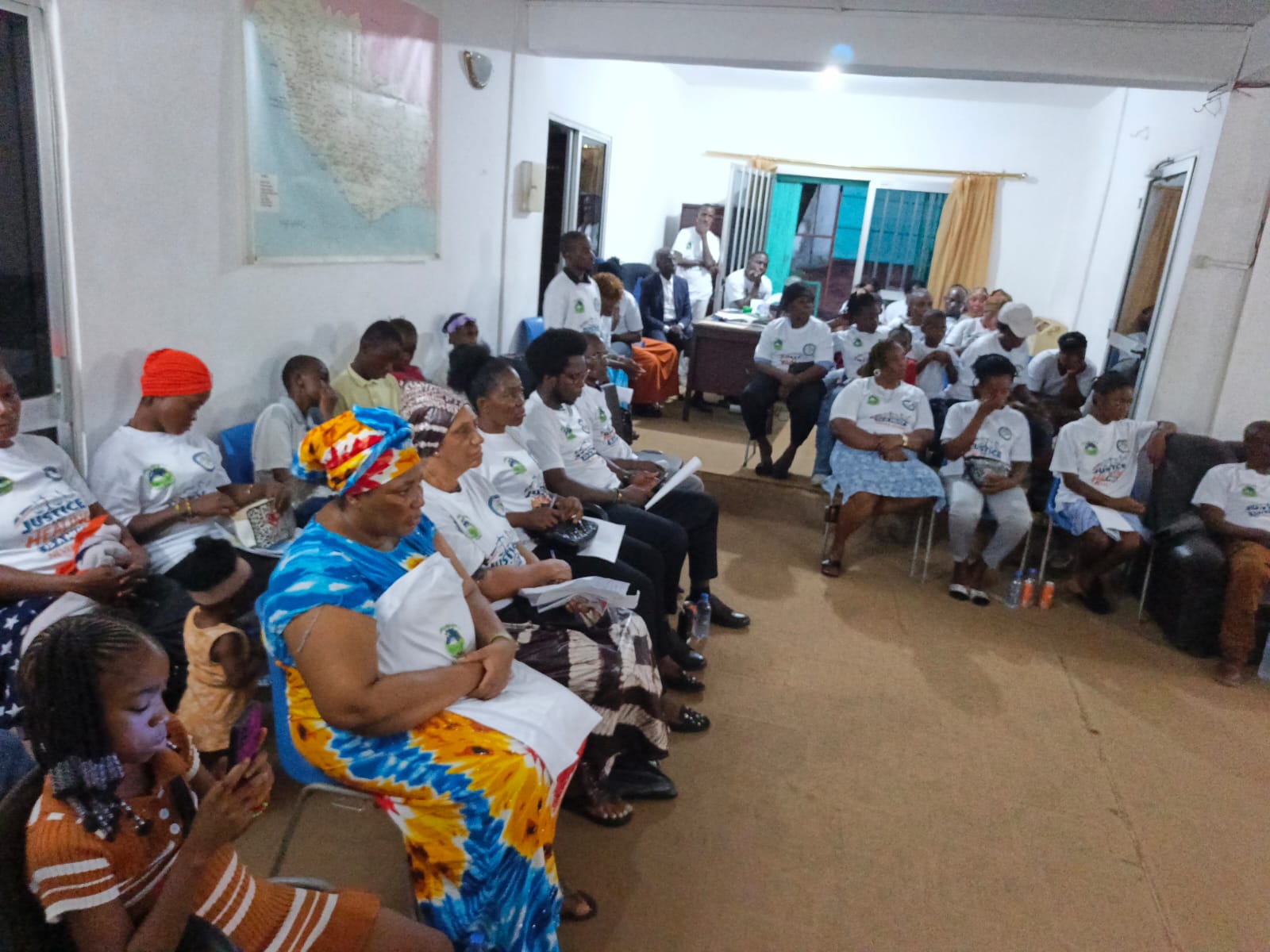
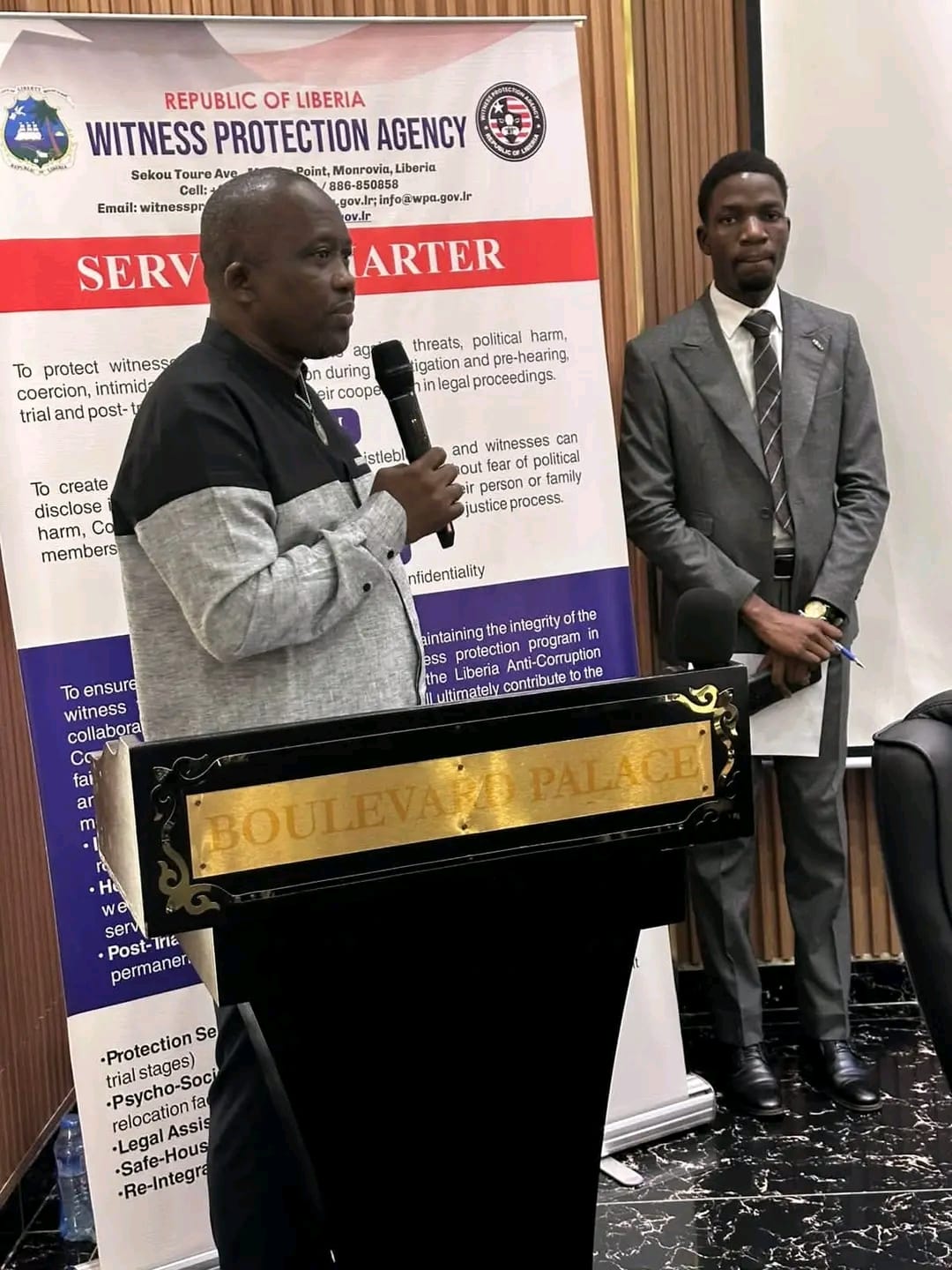
Speaking at a high-level national dialogue on Tuesday, September 3, 2026, under the
theme "Strengthening Protection Mechanisms for Witnesses, Whistleblowers,
and Victims: Advancing Liberia’s Anti-Corruption and Transitional Justice Commitments," WECC-L Executive Director Dr. Cllr. Jallah A. Barbu stressed that
effective witness protection is indispensable to Liberia’s efforts to confront
impunity and pursue transitional justice.
Dr. Barbu said the proposed amendments to the Witness Protection and
Whistleblower laws cannot be considered in isolation from the proposed WECC and
NACC legislation, arguing that the four legal instruments are mutually
reinforcing and essential to strengthening Liberia’s justice and accountability
architecture.
“These amendments, and in fact the
entire Witness Protection Act and the Whistleblower Act, are supportive of and
interrelated instruments with the WECC and NACC Bills; they complement each
other, as one cannot do without the other,” Dr. Barbu said.
He renewed his earlier call to
President Joseph Nyuma Boakai, Sr. to encourage the Legislature to return and
finalize consideration and passage of the WECC and NACC legislation, as well as
the proposed amendments to the Witness Protection and Whistleblower laws.
According to him, doing so would further
send a powerful message about Liberia’s commitment to justice, accountability,
and the rule of law, while also strengthening the country’s international
standing.
Dr. Barbu further argued that the
passage of the legislation would provide Liberia with important deliverables
ahead of the upcoming United Nations General Assembly.
OWECC-L also appealed to lawmakers to
complete the long-awaited Women, Peace, and Security instrument, describing it
as an outstanding national commitment to Liberia’s international partners.
“These decisive actions will affirm the implementation of the constitutional duty you swore to perform and the
authority ‘We, the People’ conferred upon you to enact laws that are necessary
and proper,” he said.
The OWECC-L warned that failure to act
could undermine public confidence in the Legislature and raise questions among
voters about whether elected officials are adequately responding to the
country’s most pressing governance and justice challenges.
On witness protection, OWECC-L
maintained that witnesses, whistleblowers, and victims remain reluctant to
provide information or testify because they fear retaliation and do not have
sufficient confidence in existing protection mechanisms.
“Fear is preventing witnesses,
whistleblowers, and victims from coming forward,” OWECC-L stated, emphasizing
that citizens will be less willing to cooperate with investigations and trials
when they believe their safety cannot be guaranteed.
Dr. Barbu said an effective witness
protection regime is particularly important as Liberia considers mechanisms to
prosecute individuals accused of serious violations committed during the
country’s civil conflicts and major economic crimes.
The OWECC-L boss argued that without
credible protection for witnesses and victims, even well-designed justice
institutions could struggle to obtain the evidence required to successfully
prosecute cases.
He then challenged the Witness
Protection Agency to decentralize its operations, describing the move as urgent
if the program is to achieve a meaningful national impact.
Dr. Barbu stressed that those who
provide evidence in the pursuit of justice must not be abandoned or exposed to
retaliation.
For OWECC-L, the central message is
clear: “Liberia cannot effectively pursue transitional justice, fight
corruption, or prosecute serious crimes without protecting the people whose
testimony and information make justice possible.” He concluded.